
Skip to content

obey
story

The brand emerges at the intersection of art, design, and cultural critique.

Explore the timeline

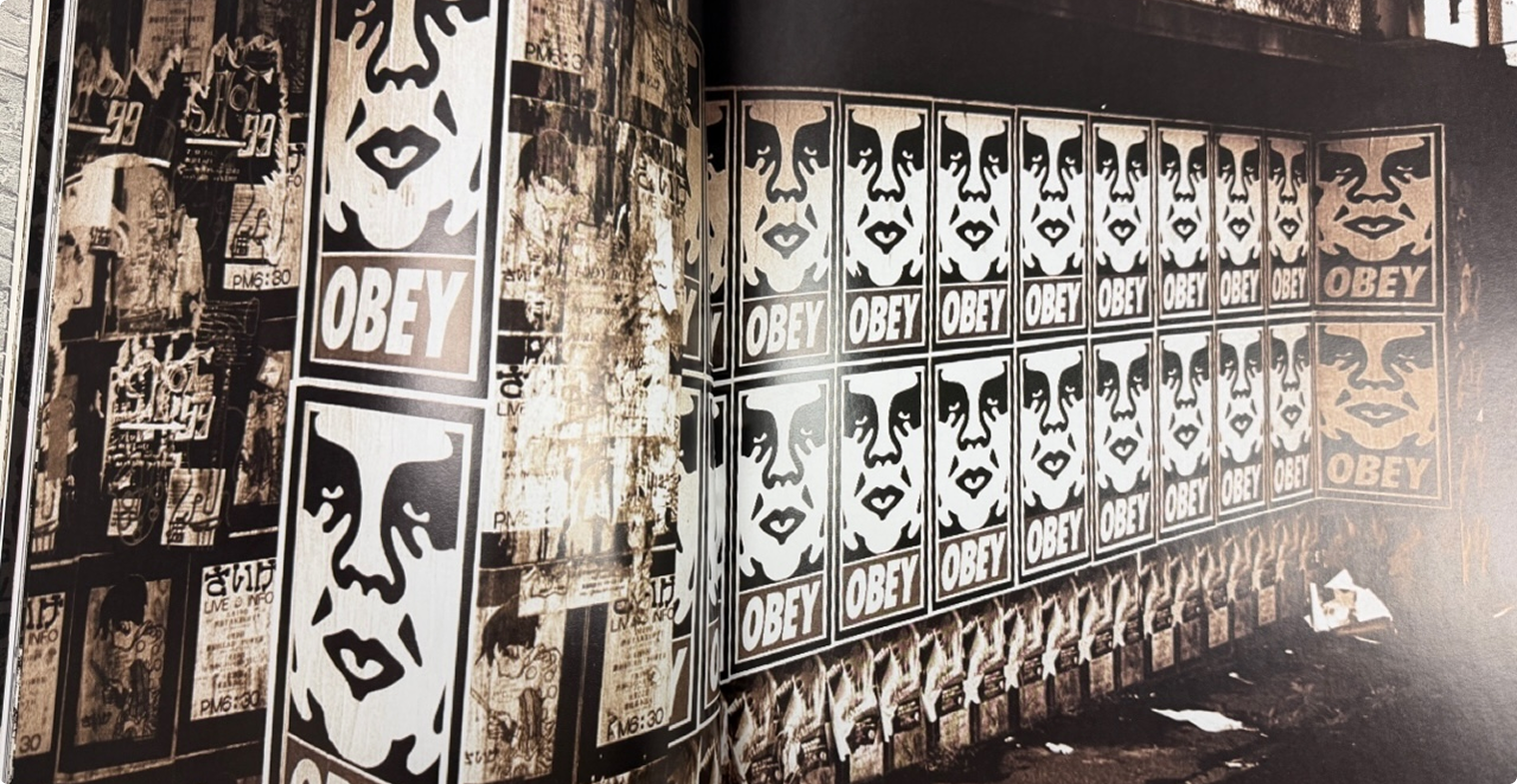
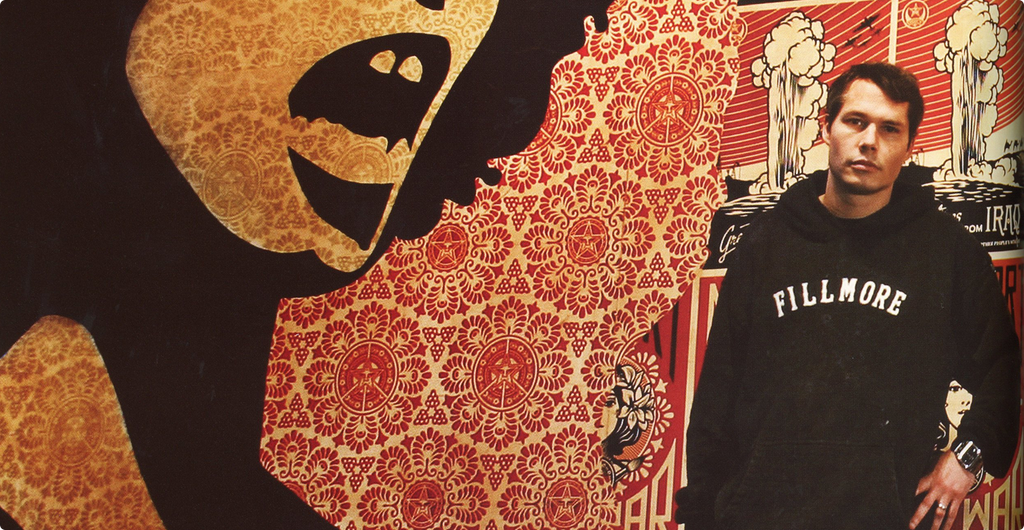
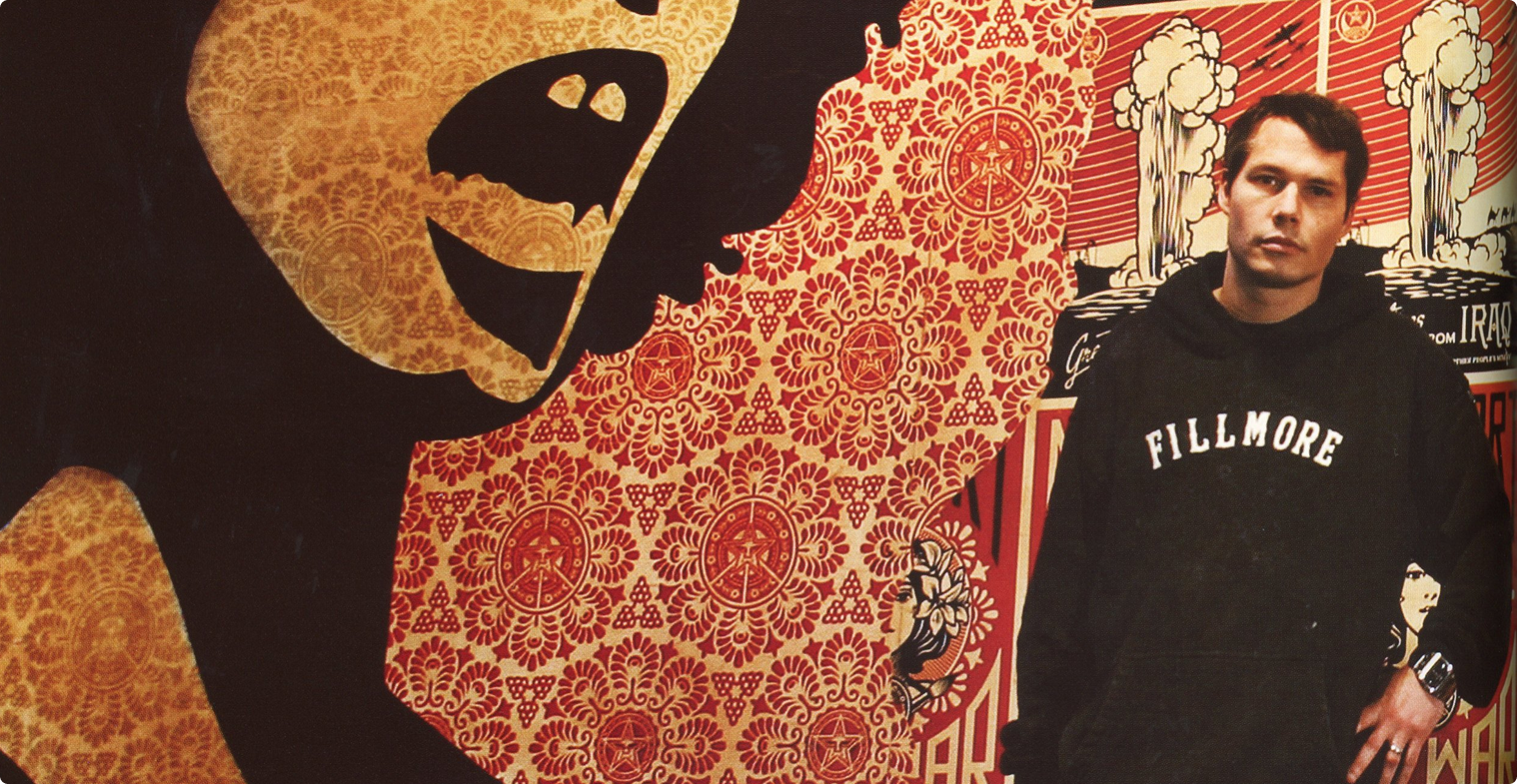
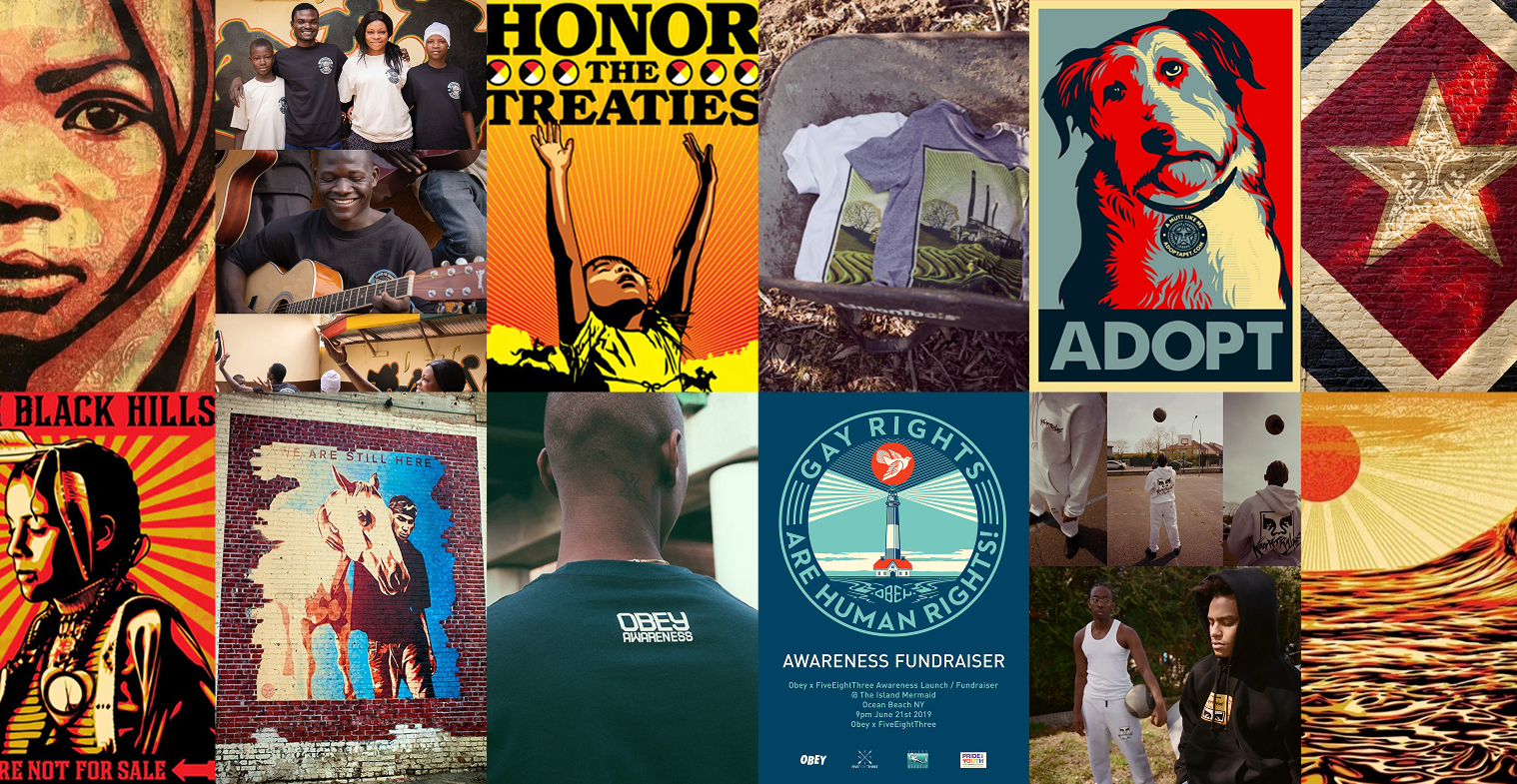
OBEY Clothing emerges at the intersection of art, design, and cultural critique. Founded on the creative vision of artist Shepard Fairey, the brand traces its origins to a singular act of intervention: an absurdist sticker conceived in 1989 while Fairey was a student at the Rhode Island School of Design. What began as an experiment in subversion has since evolved into an expansive street art campaign and a widely exhibited body of fine art.

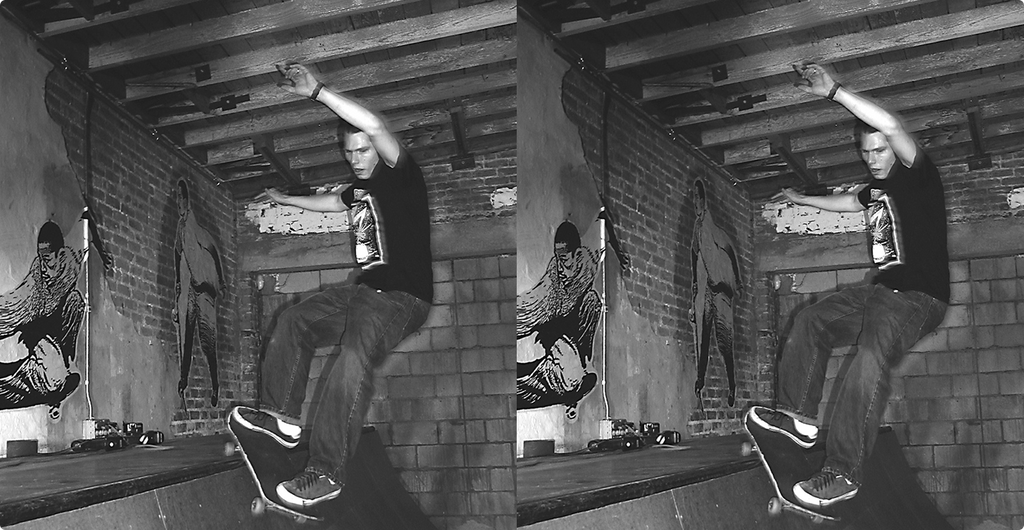
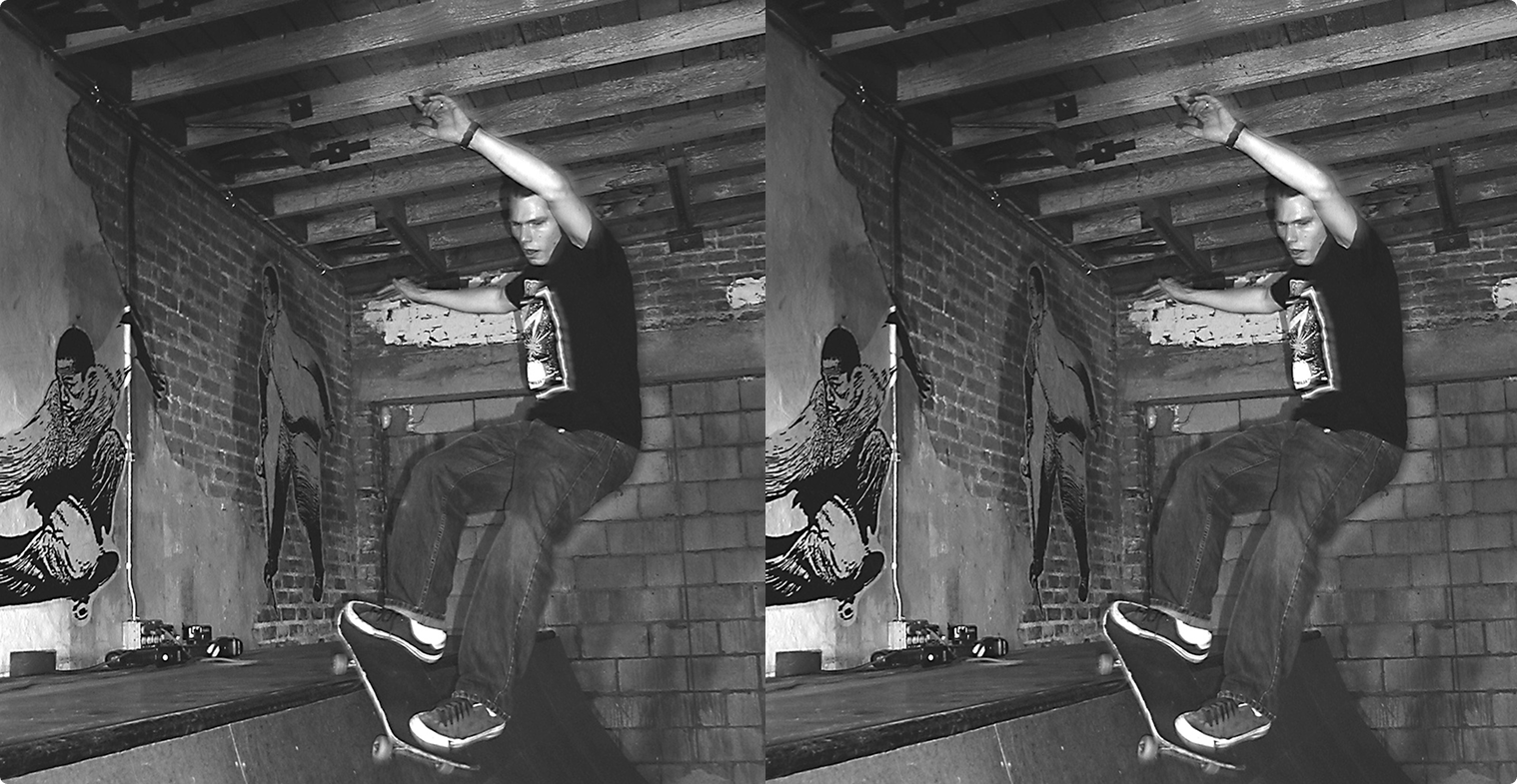
Launched in 2001, OBEY Clothing functions as a natural extension of Fairey’s practice. It serves as a way to bring his imagery, ideology, and narrative into everyday life. The garments are not simply fashion but act as mobile canvases for cultural commentary. They draw influence from classic military apparel, industrial workwear, and the cultural movements that have guided the brand across time. The ethos and inspiration behind OBEY are deeply rooted in the ideals of punk rock, skateboarding, and independent art. While these values remain central, the brand continues to evolve, adding layers of meaning through experience, collaboration, and a constantly shifting cultural landscape.

At its core, OBEY is an ongoing inquiry into the dynamics of image, identity, and influence. It resists easy categorization and chooses instead to inhabit the space between the street and the gallery, the personal and the political. As the cultural landscape continues to shift, so does the canvas. What remains is a commitment to critical engagement, visual resistance, and the belief that clothing, like art, is a medium for dialogue.

Timeline to present
  • 1989

  • 1995

  • 1996

  • 1998

  • 2003

  • 2004

  • 2006

  • 2007

  • 2008

  • 2010

  • 2015

  • 2017

  • 2019

  • 1989

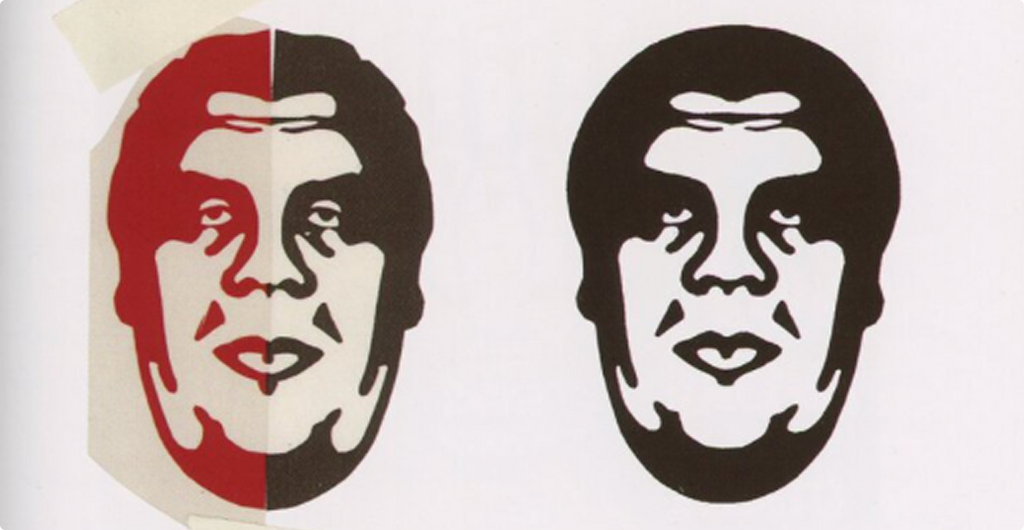
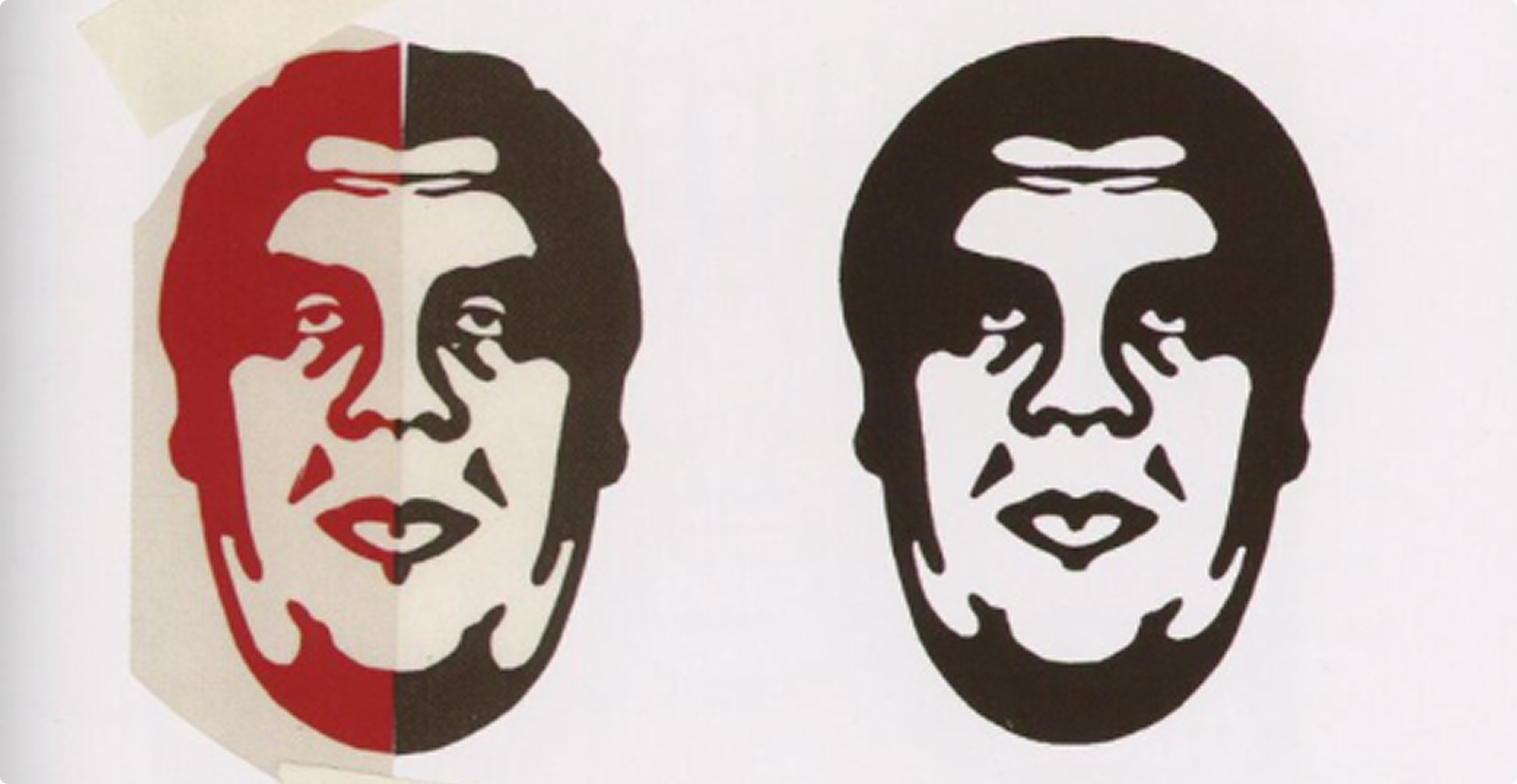
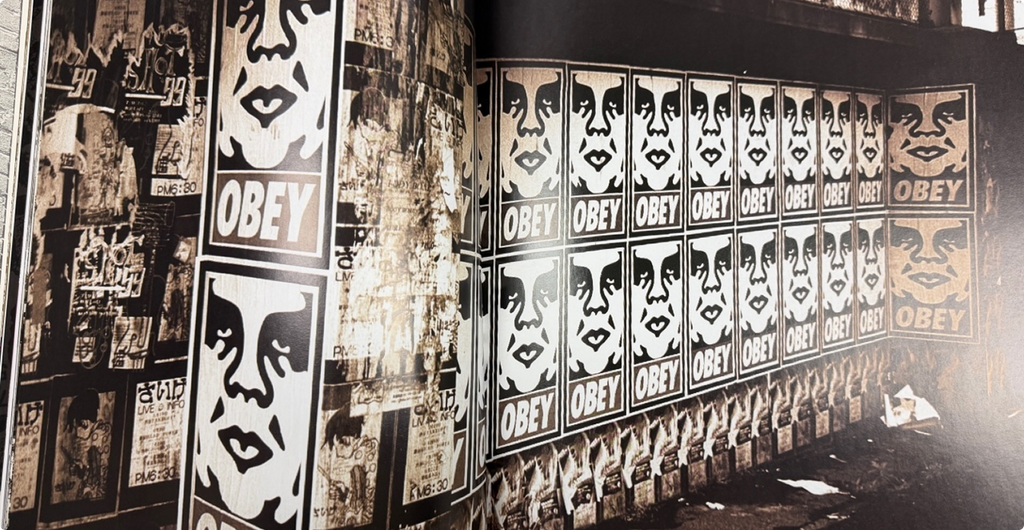
    OG Sticker: What started as a joke becomes an obsession. First showing up in Providence, Rhode Island, Shepard Fairey’s image quickly spreads down the east coast and beyond. To date, over ten million stickers have been proliferated worldwide.

  • 1995

    OBEY Icon Face: Shepard stylizes the icon face, evolving it away from the OG sticker. Influenced by George Orwell’s “Big Brother” image, the streamlined graphic approach of the Russian Constructivist poster, and Barbara Kruger’s use of font and color, the icon face sparks a new phase of the story.

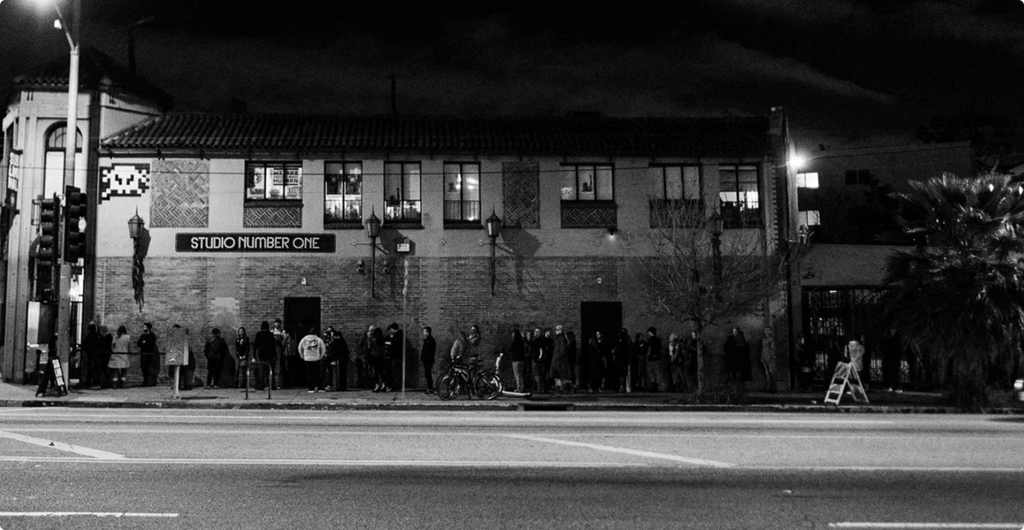
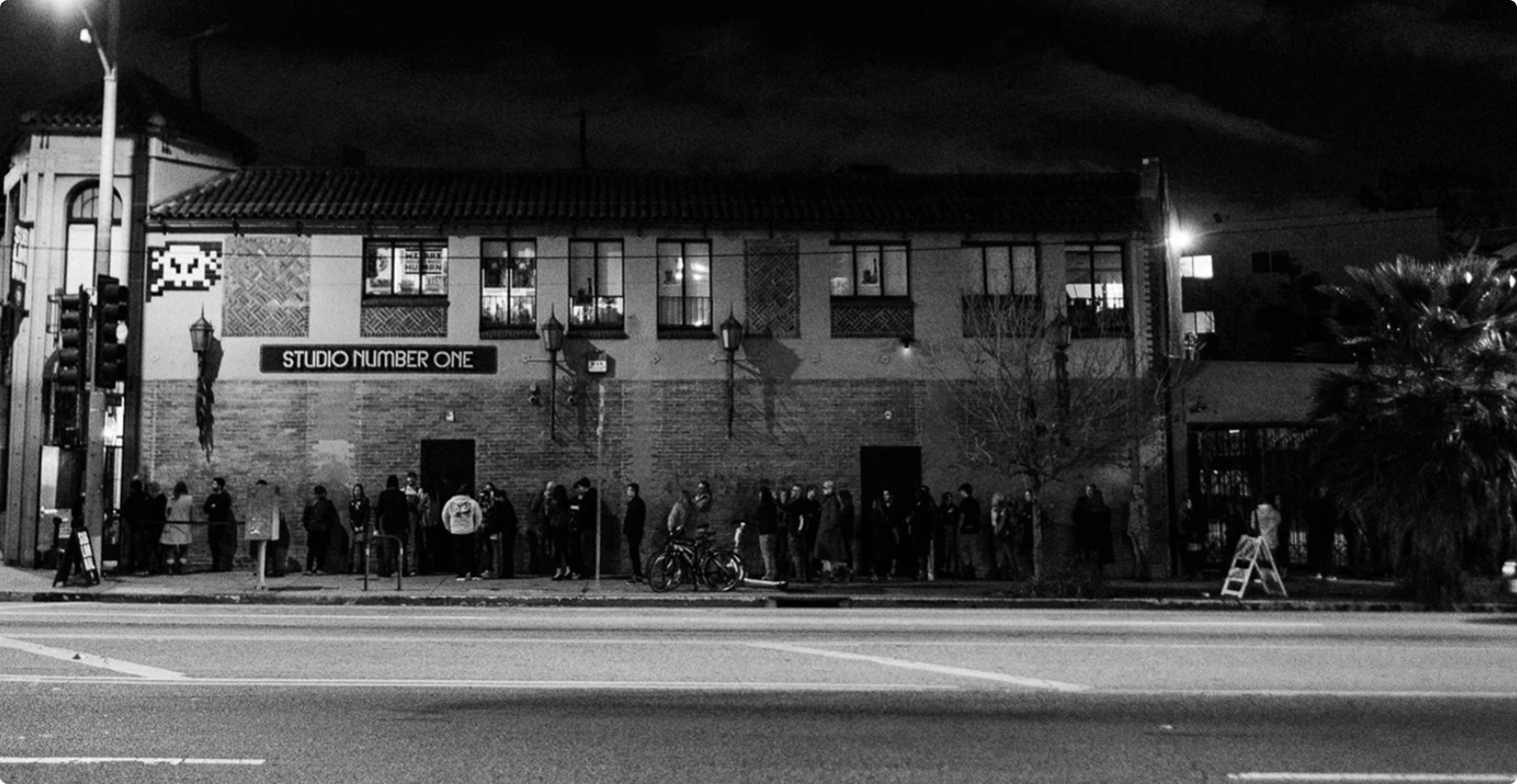
    Subliminal Projects – Established by Shepard, designer and DJ Alfred
    Hawkins, and skateboarder Blaise Blown, this multi-functional project space and gallery is a way to introduce skateboard culture and design to the art world. Beginning
    on the east coast but eventually settling in LA, Subliminal Projects remains a
    space that champions emerging artists.

  • 1996

    East to West: Shepard Fairey closes his screen-printing shop in Providence, Rhode Island and moves to San Diego, California to pursue graphic design and art.

  • 1998

    Burgeoning Gallery Career: Shepard’s work starts to receive recognition on a larger scale. Street art begins to build relevance among fans and collectors, opening up avenues in fine art galleries and other outlets.

  • 2003

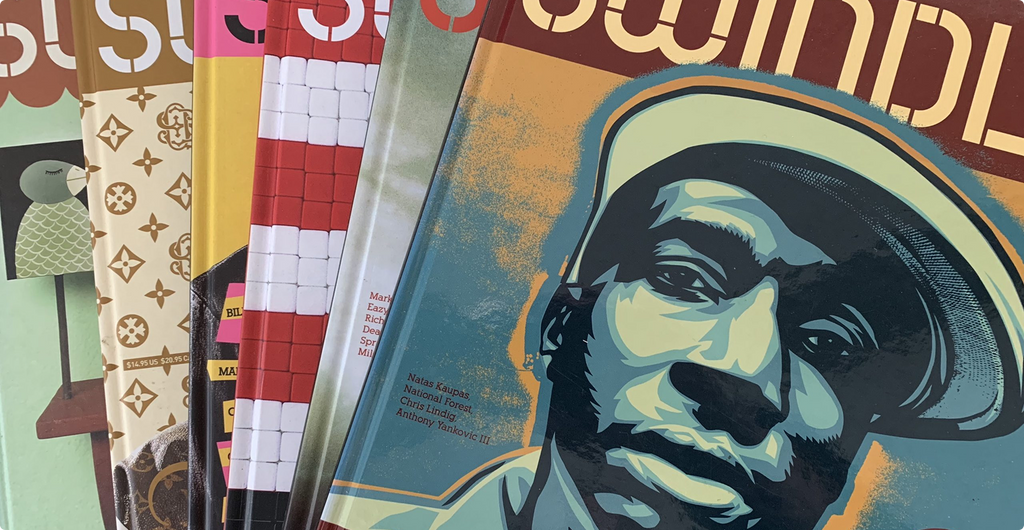
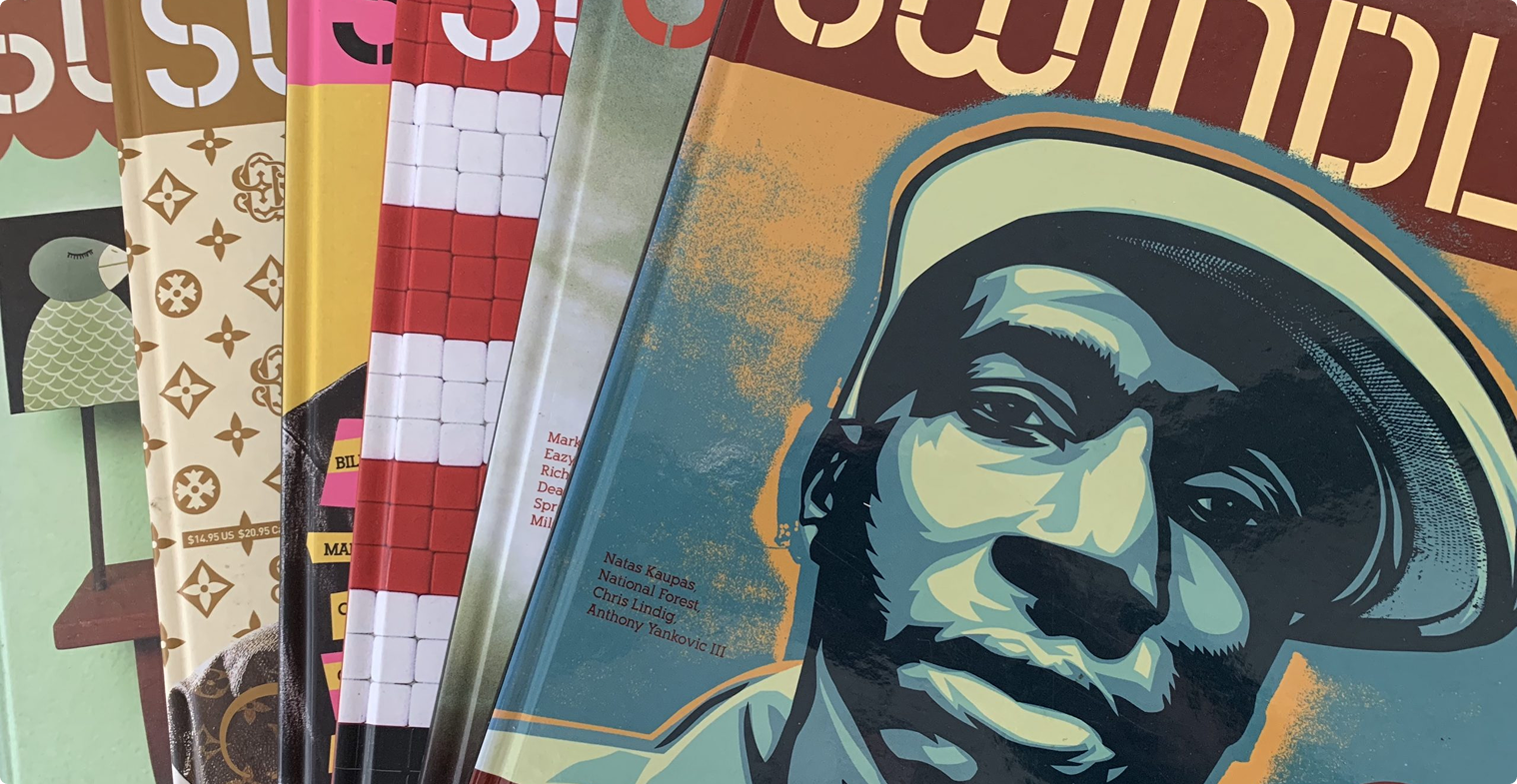
    Swindle Magazine: Partnering with Roger Gastman, the magazine features pop culture and lifestyle content around music, fashion, and the arts. Covers included the likes of Henry Rollins, Banksy, Twist, and more.

  • 2004

    Swindle Magazine: Partnering with Roger Gastman, the magazine features pop culture and lifestyle content around music, fashion, and the arts. Covers included the likes of Henry Rollins, Banksy, Twist, and more.

  • 2006

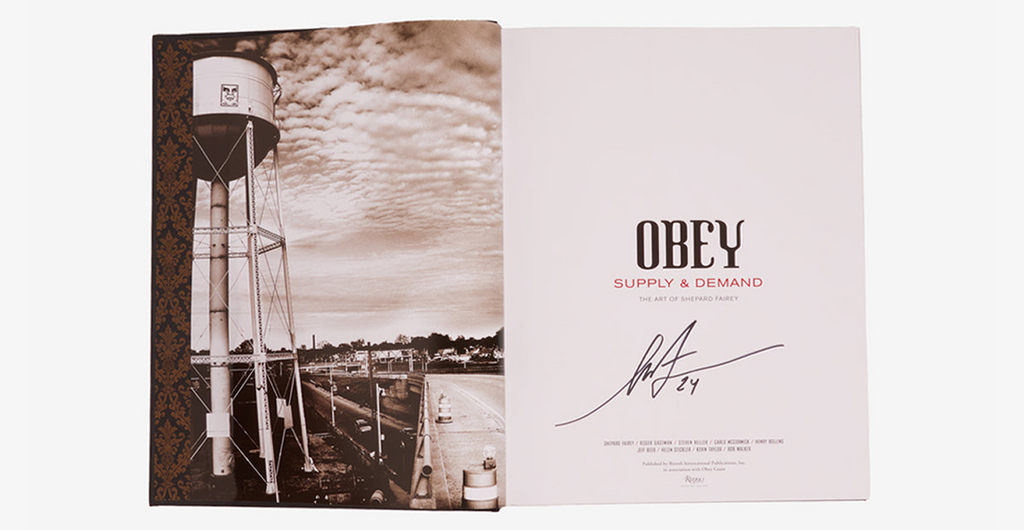
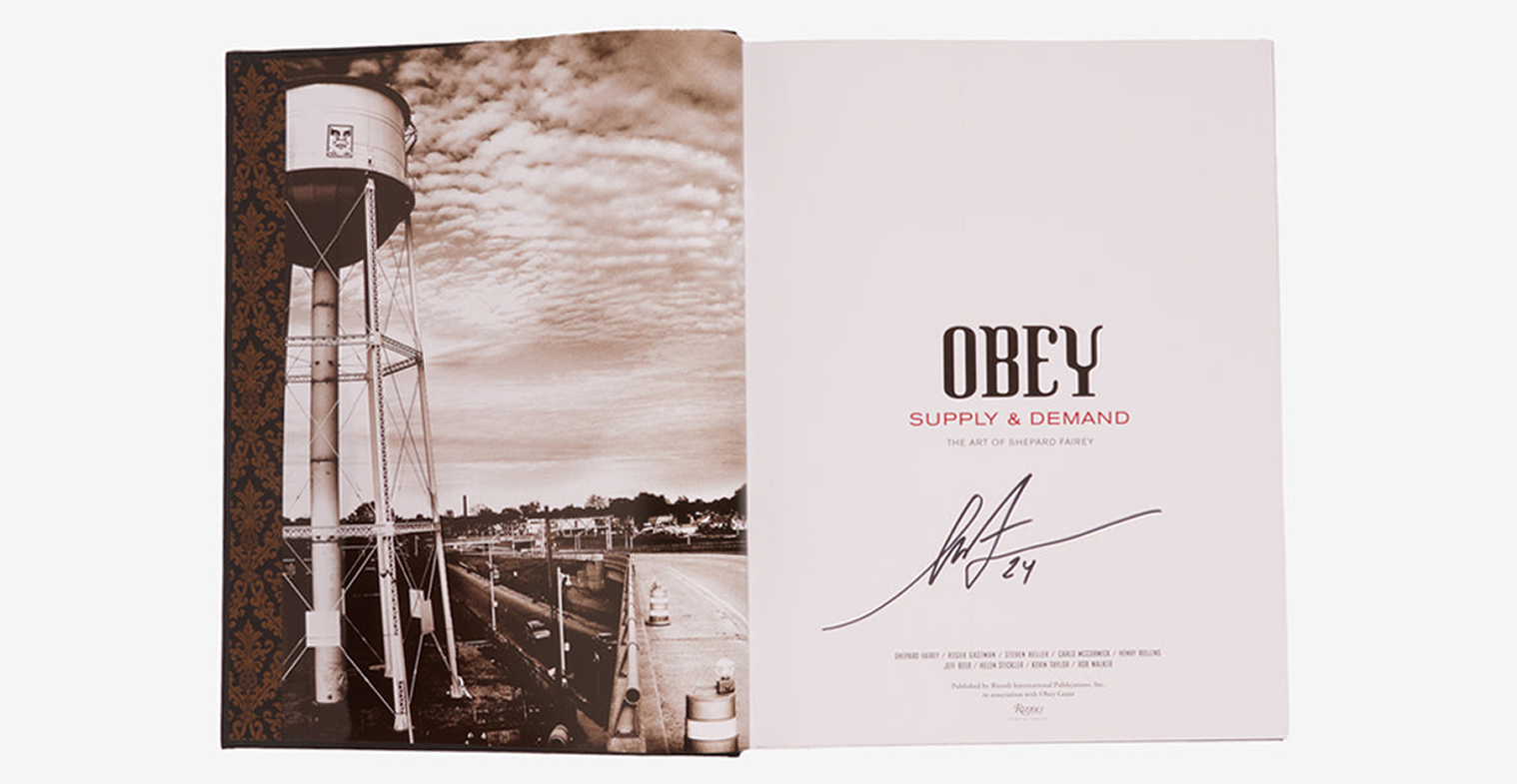
    Supply & Demand: A retrospective look at Shepard’s career to that point, Supply & Demand: The Art of Shepard Fairy is published. Today, the book is in its third printing, and covers his entire body of work, essays, and commentary from Fairey’s contemporaries and those around in the early years.

  • 2007

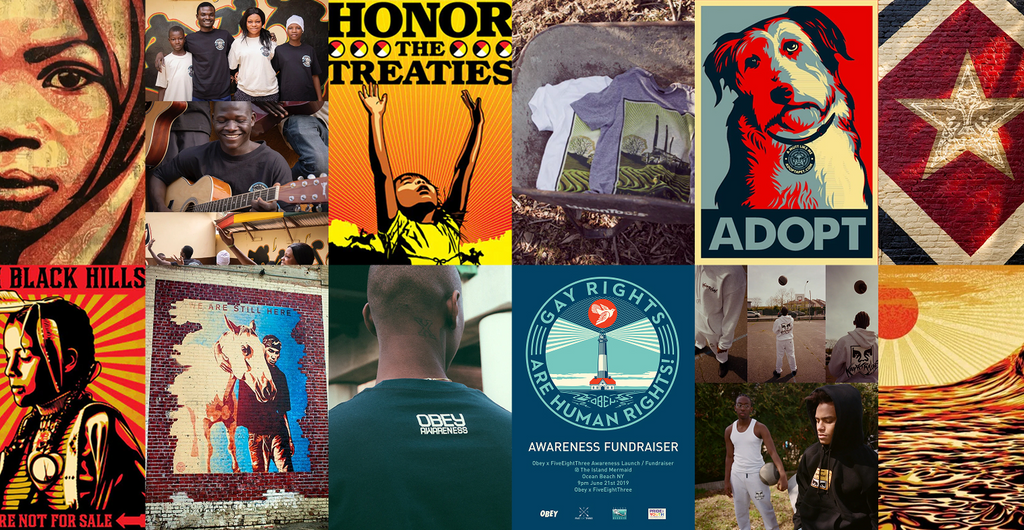
    OBEY Awareness: OBEY Clothing launches the Awareness Campaign supporting non-profits through the production of T-shirts and donation of funds to organizations that fit the ideals and messaging of the brand.

  • 2008

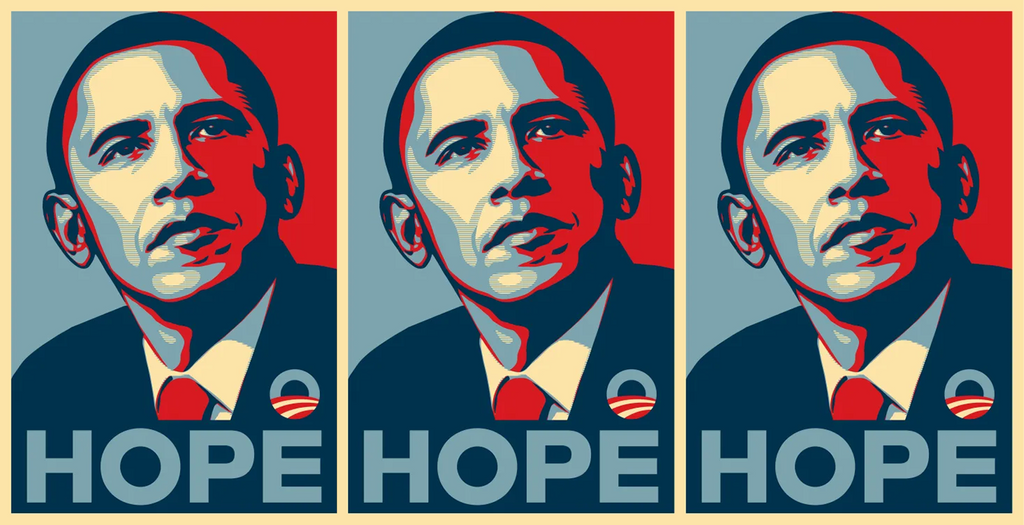
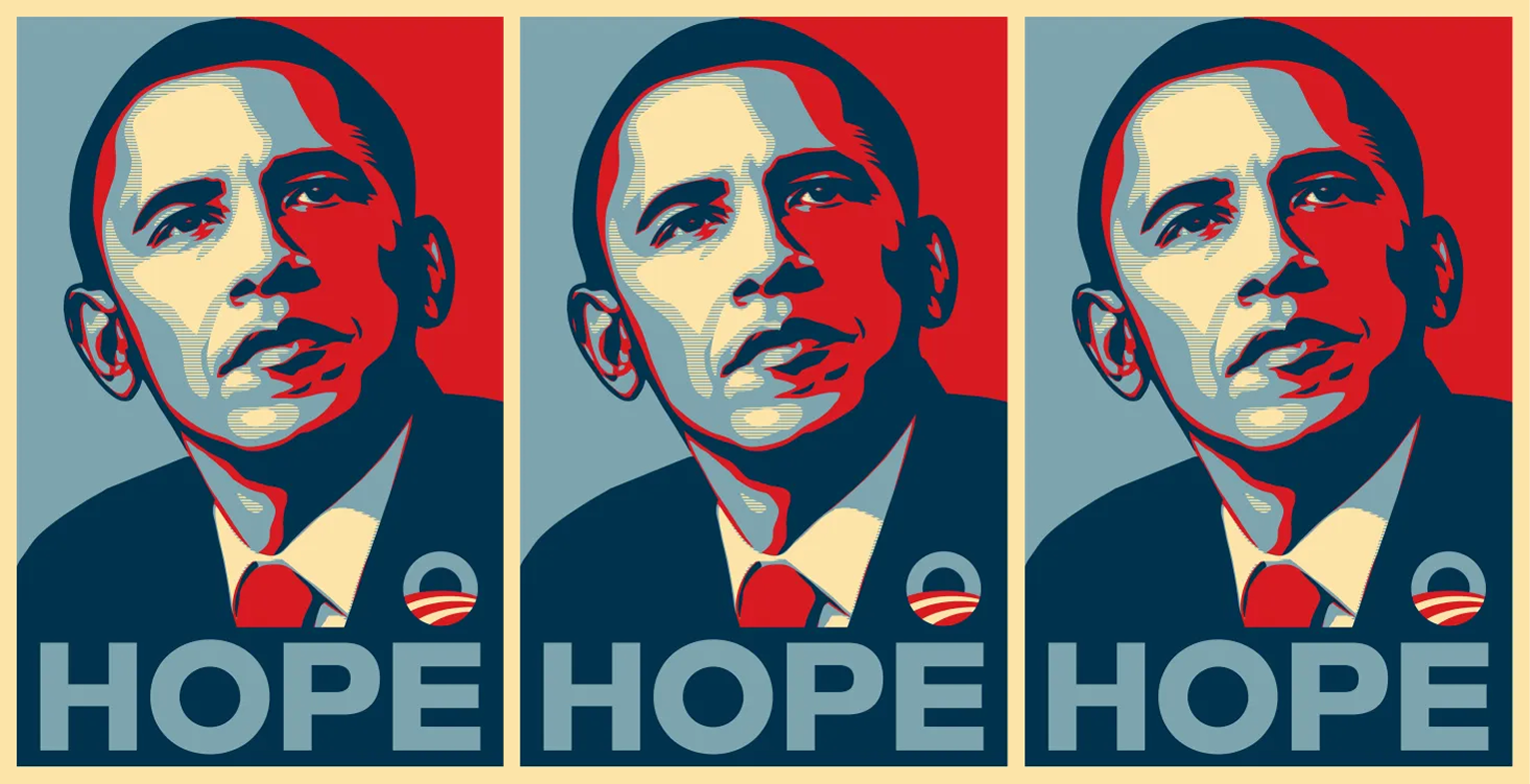
    HOPE Poster: Motivated by his own civic responsibility, Shepard uses his skills to create a poster illustration of then presidential candidate Barack Obama
    with the word HOPE underneath. The image becomes the predominately recognized image of the campaign, eventually being inducted into the National Portrait Gallery.

  • 2010

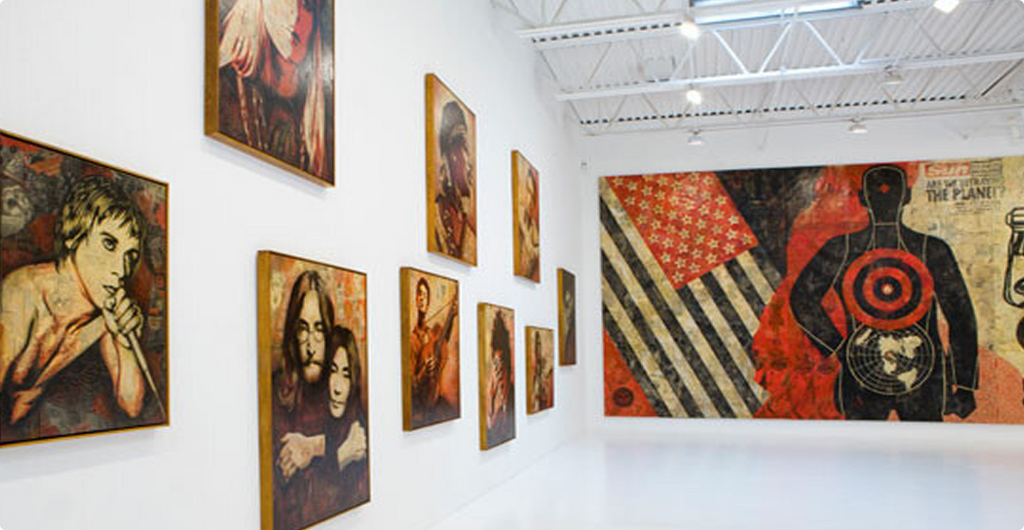
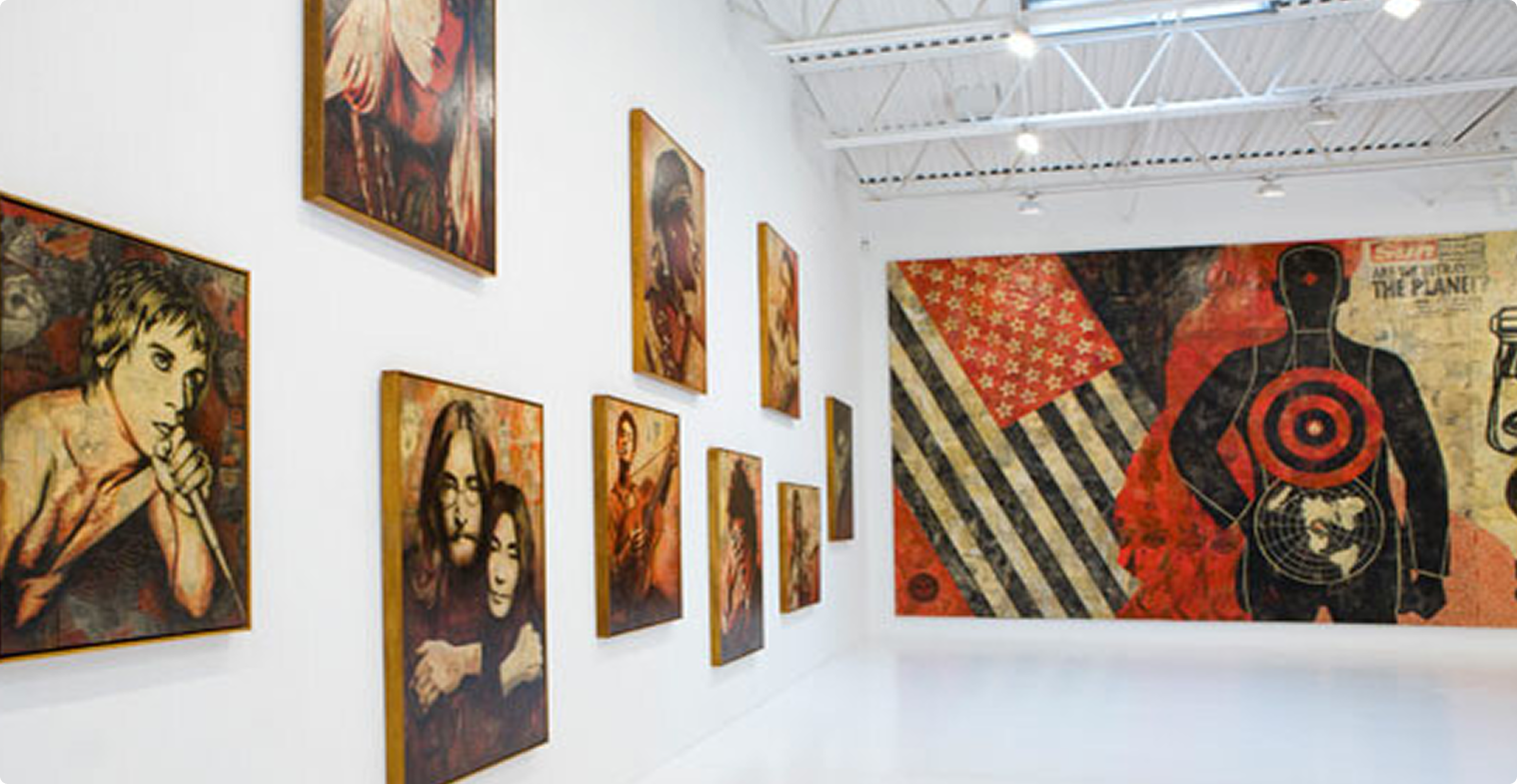
    Mayday: The final gallery show at Deitch Projects in Lower Manhattan,
    Mayday is an exhibition that features portraits of revolutionaries, including
    artists, musicians, and political activists

    Exit Through The Giftshop: Shepard is heavily featured in this documentary
    by his friend, renowned street artist Banksy. The film anchors street art in the
    culture of the day.

  • 2015

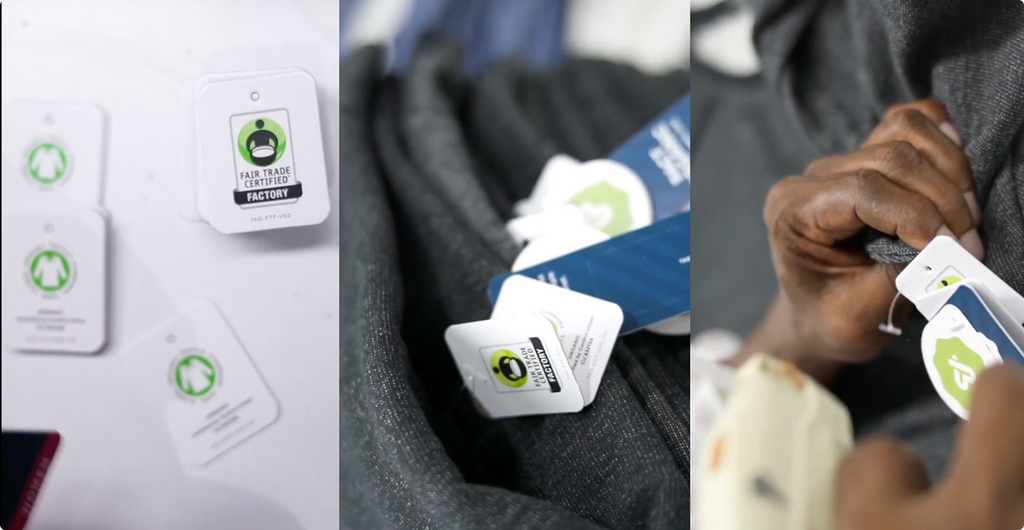
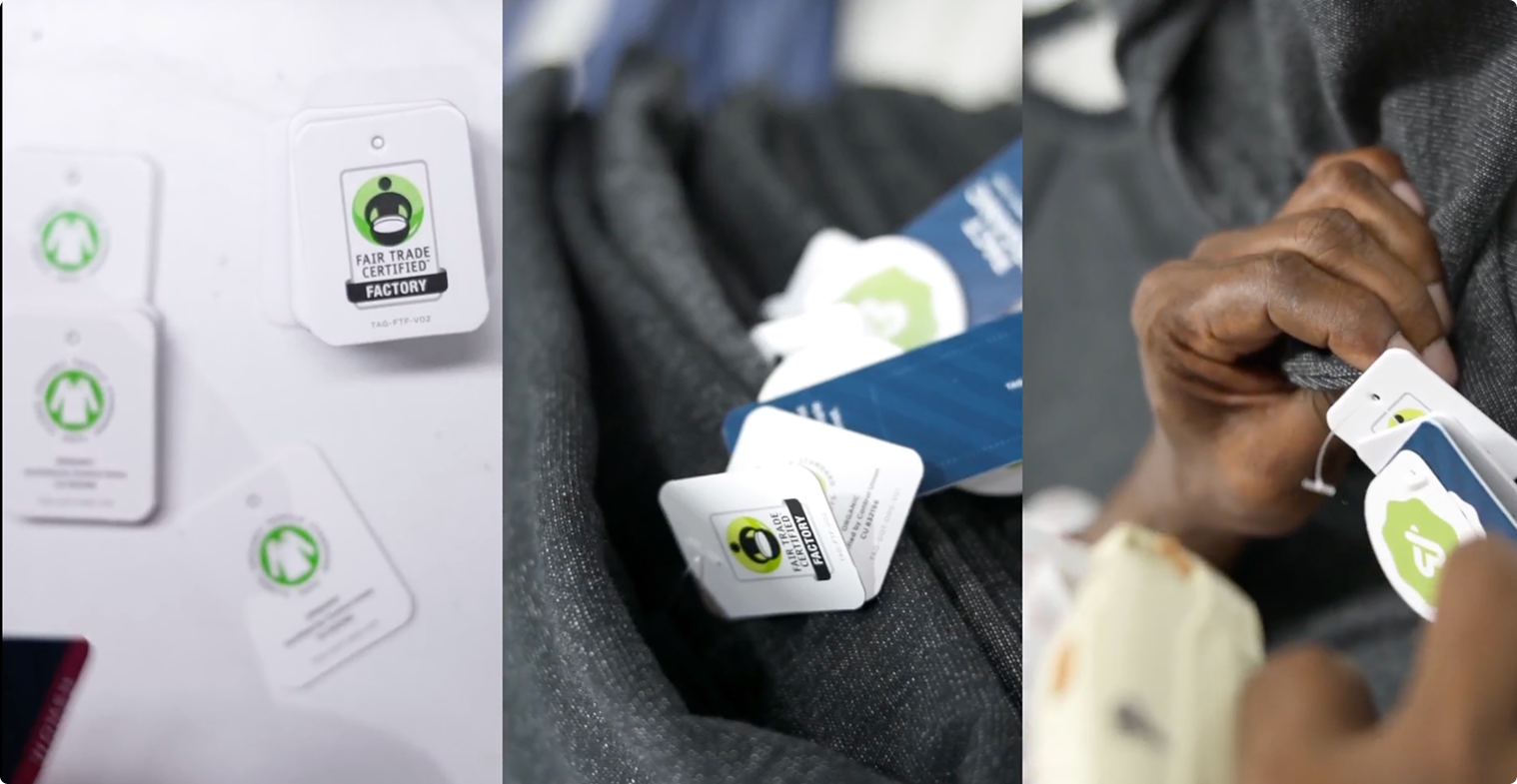
    OBEY Clothing Ideals: Wanting to improve its oversight in sourcing and manufacturing, OBEY Clothing starts working with Fair Trade in addition to resourcing more organic, recycled and sustainable product through materials and transport. As an ongoing mission to improve, Ideals is an open-ended project that evolves as new opportunities become available. (2021 GOTS certification).

  • 2017

    We The People, Women’s March: In collaboration with Amplifier, Shepard
    creates iconic protest art with messages including “Defend Dignity,” “Greater Than
    Fear,” and “Protect Each Other,” celebrating and lifting up marginalized communities.

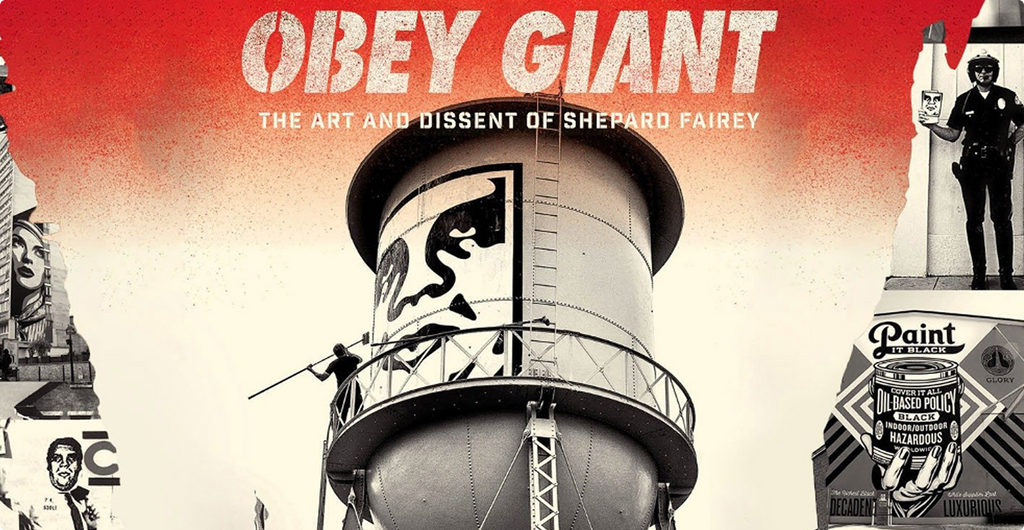
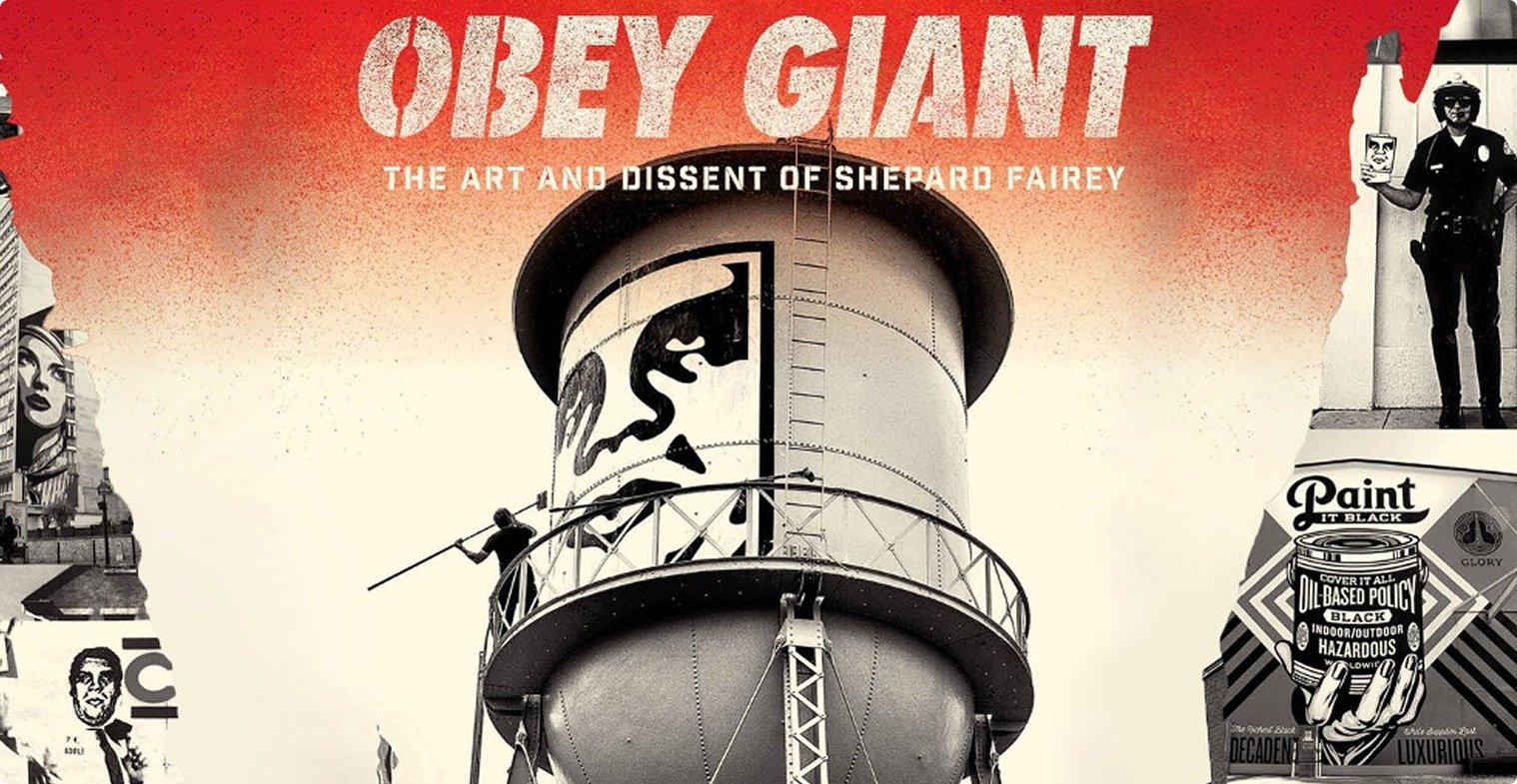
    OBEY Giant Documentary: Hulu releases a documentary film, “OBEY Giant: The Art and Dissent of Shepard Fairey” about the life and career of Shepard, spanning nearly 30 years of his career.

    DAMAGED: In conjunction with Library Street Collective, the DAMAGED
    exhibition launches in LA. The show focuses primarily on critical issues in society. As Shepard states, “DAMAGED is an honest diagnosis, but diagnosis is the first step to recognizing and solving problems.”

  • 2019

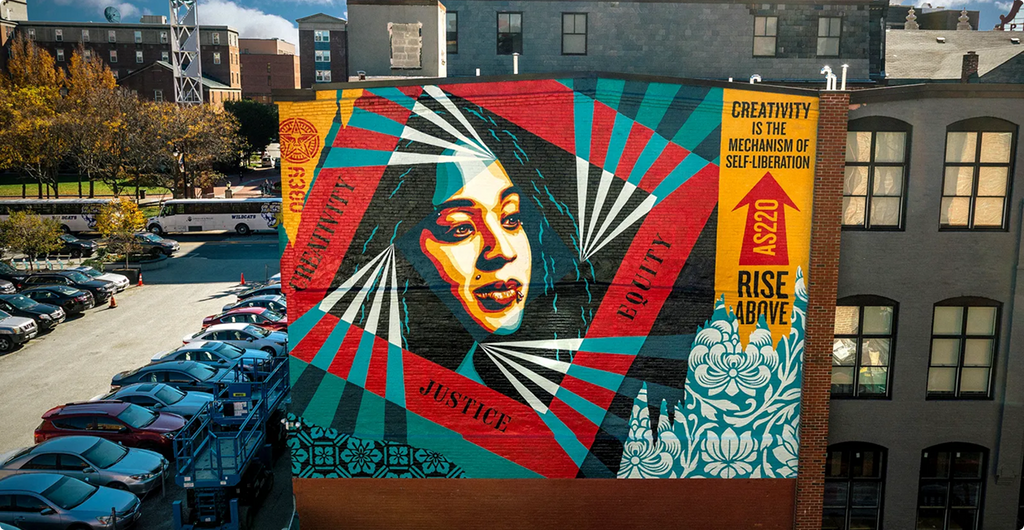
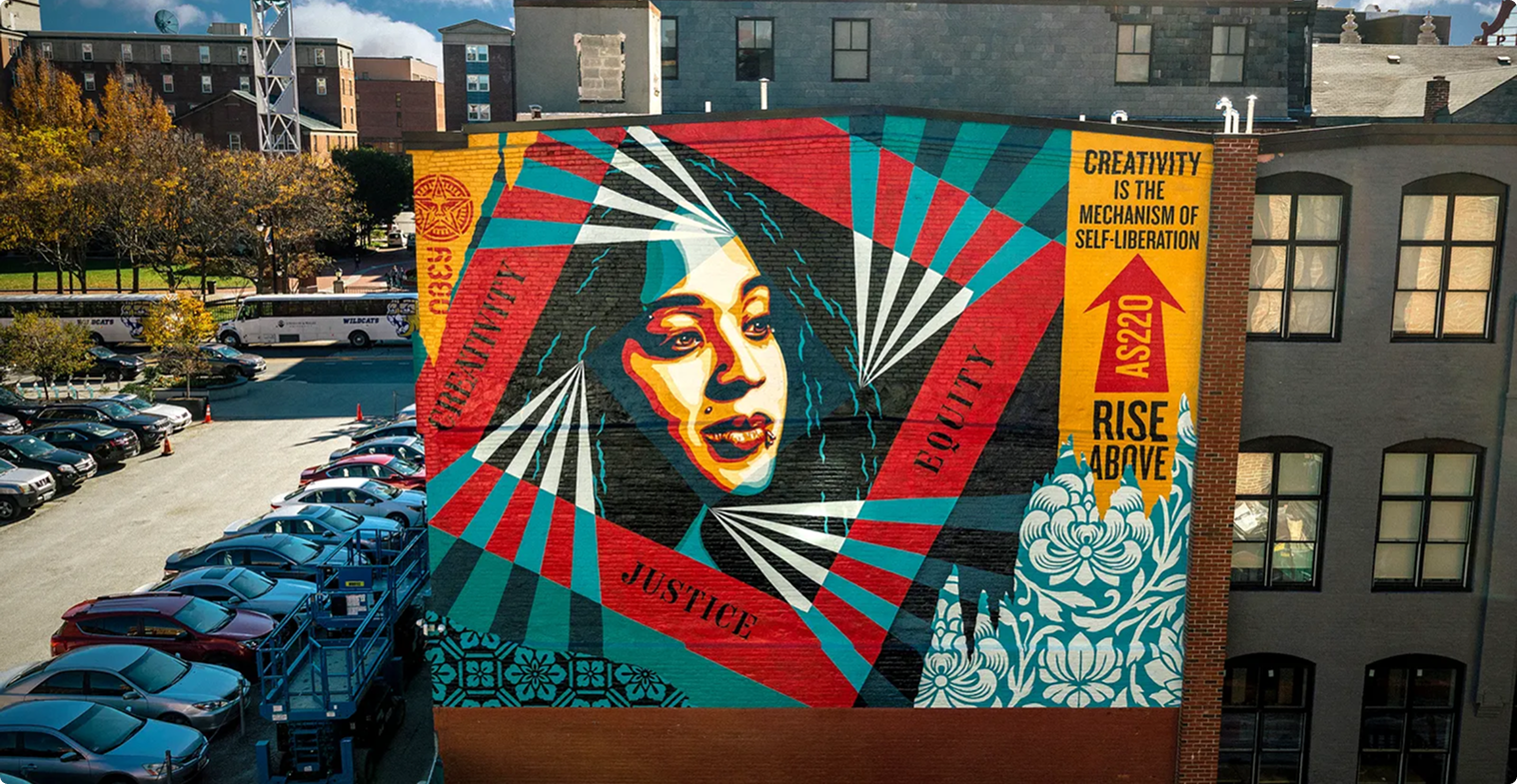
    Facing the Giant: Celebrating thirty years of OBEY, “Facing the Giant: Three Decades of Dissent” highlights a number of distinct works from each of the three decades of Shepard’s OBEY art campaign repurposed or offered in a new format. 100th Mural: With support and inspiration from non profit artist space AS220, Shepard completes his 100th mural in Providence, Rhode Island, titled “Creativity, Equality, Justice.”

  • Play now: EP: 79 DJ TOPY